


 FR
FR  EN
EN  Deutsch
  Italiano

01 / 03
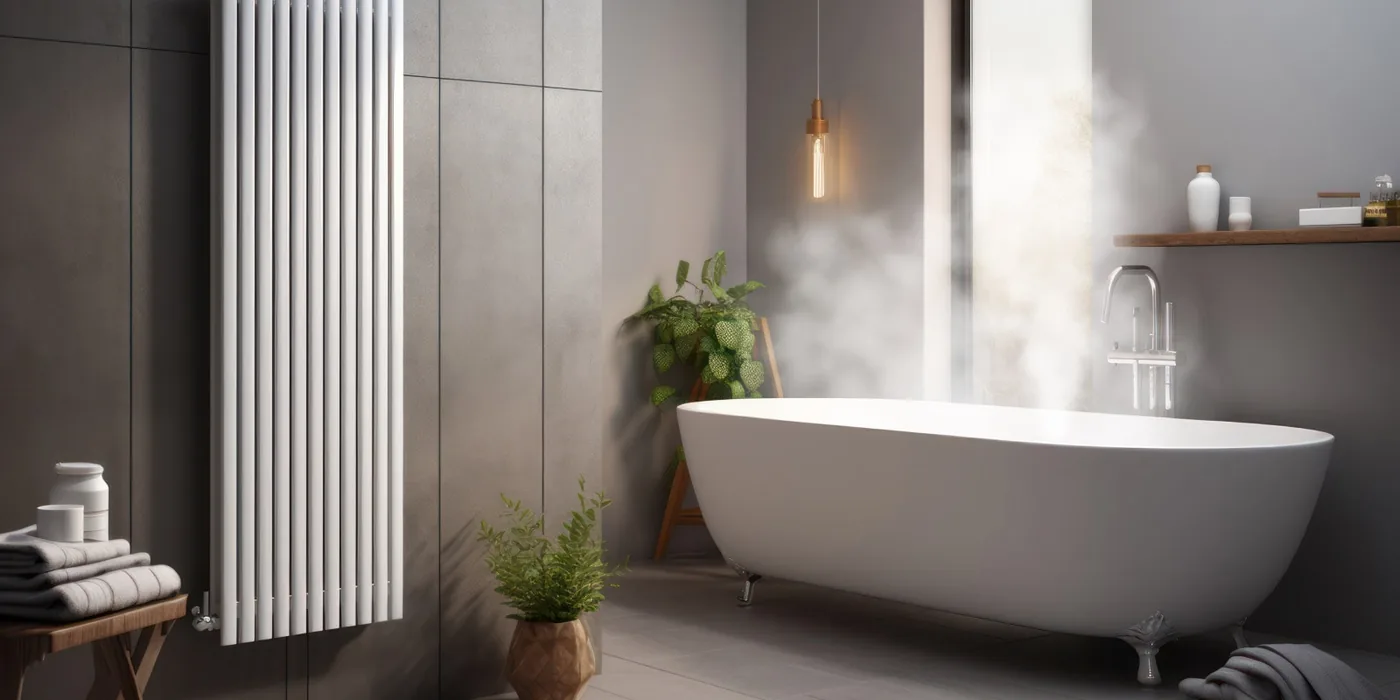
THE ROOMS YOU KNOW
New heating. Familiar comfort.
Your existing radiators may be part of the next chapter. We check their output, your home’s heat demand and the water temperatures needed.
Radiator compatibility is assessed for your home.HEAT FROM THE AIR. COMFORT AT HOME.
An air-to-water heat pump brings energy from the outdoor air into your heating circuit. We start with your building, your radiators and your everyday needs to find the right system.
UNDERSTANDING YOUR QUOTATION
The cost of a heat pump depends on your building, your current heating and the adaptations required. Your quotation sets out each item; we do not publish a flat price.
Outdoor and indoor unit, output sized to your home’s heat demand.
Connection to the existing heating, domestic hot-water cylinder and any buffer tank.
Supply, protection and, where needed, adaptation of the distribution board.
Dismantling and disposal of the boiler, tank or existing electric heating.
Installation, settings, commissioning and procedures according to your municipality’s requirements.
Controls, connectivity, supplementary heating or combination with solar.
YOUR HOME. YOUR NEXT CHAPTER.
LG THERMA V R290 Monobloc brings outdoor-air energy into your home’s heating system. A compact outdoor unit with a considered place in your renovation.
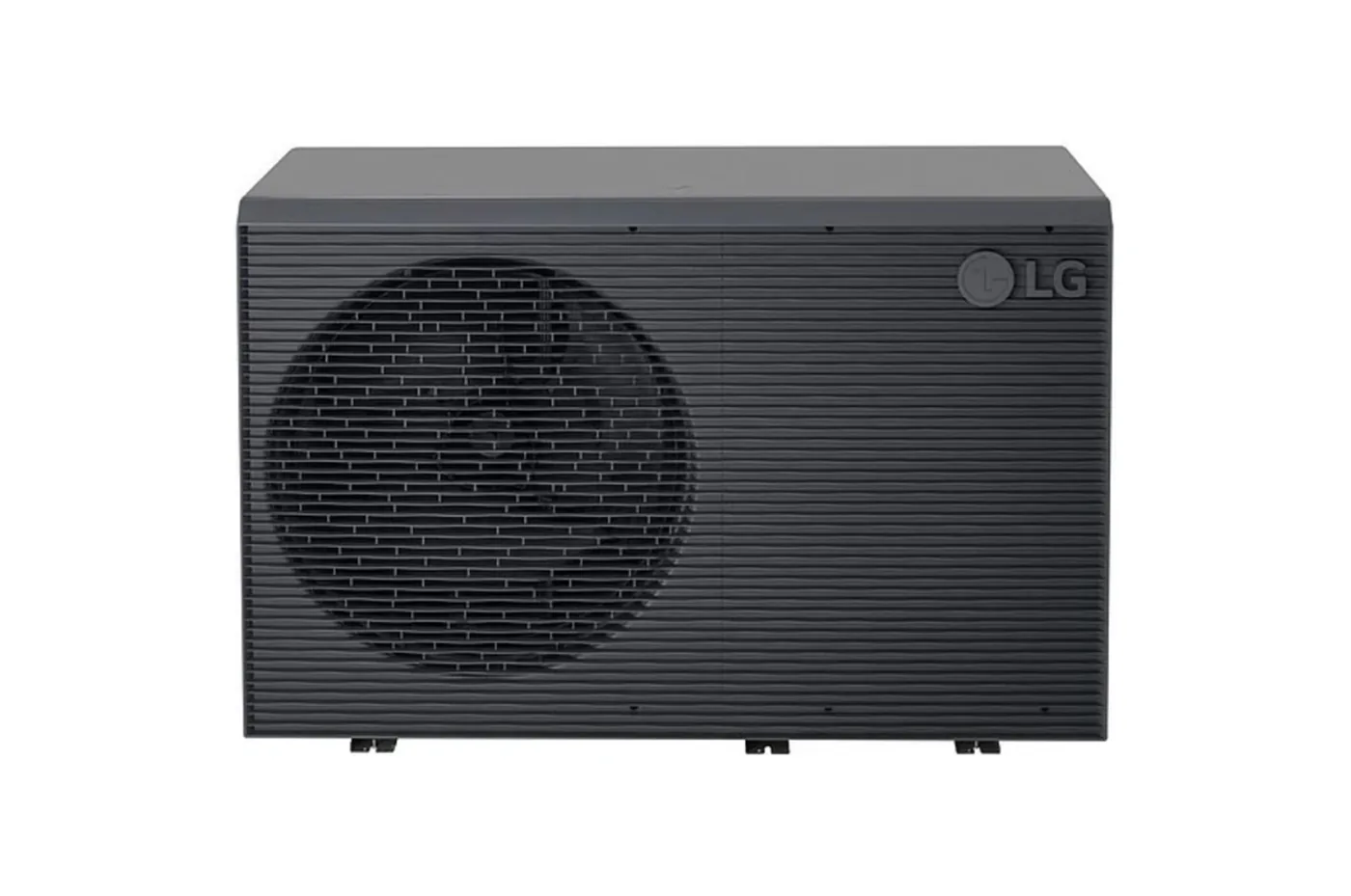 QUIET DESIGN. EVERYDAY WARMTH.
*Subject to system design. Maximum water temperature and minimum outdoor operating temperature are separate limits. Output and efficiency vary with conditions; the selected model’s specification is confirmed in your proposal. Product-family imagery shown.
THINKING ABOUT THE WHOLE BUILDING
Panasonic Aquarea M Series pairs R290 technology with a range of indoor configurations. From a home upgrade to a larger building, we design the system around your heating and hot-water needs.
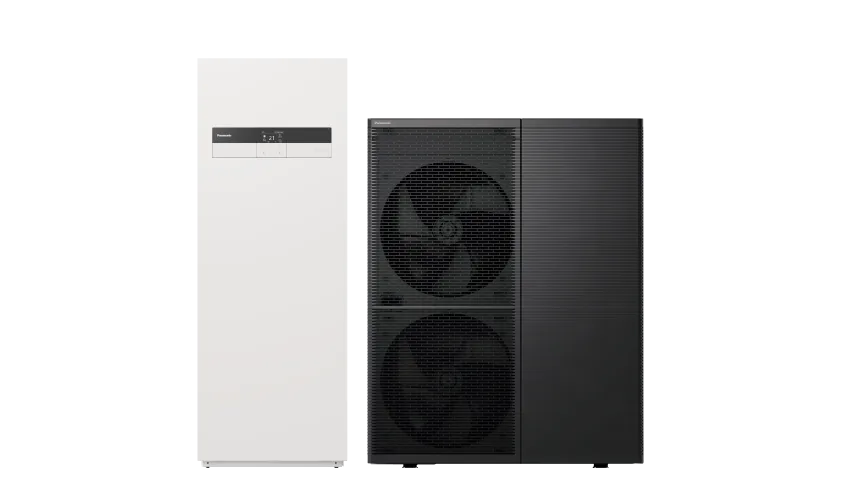 OUTSIDE PERFORMANCE. INSIDE COMFORT.
*75°C outlet water at −15°C outdoors applies to M Series 9, 12 and 16 kW models. Up to 65°C domestic hot water without a booster heater, subject to conditions. Indoor equipment, capacity and configuration are specified for your project.
THE DETAILS YOU LIVE WITH
THE ROOMS YOU KNOW
Your existing radiators may be part of the next chapter. We check their output, your home’s heat demand and the water temperatures needed.
Radiator compatibility is assessed for your home.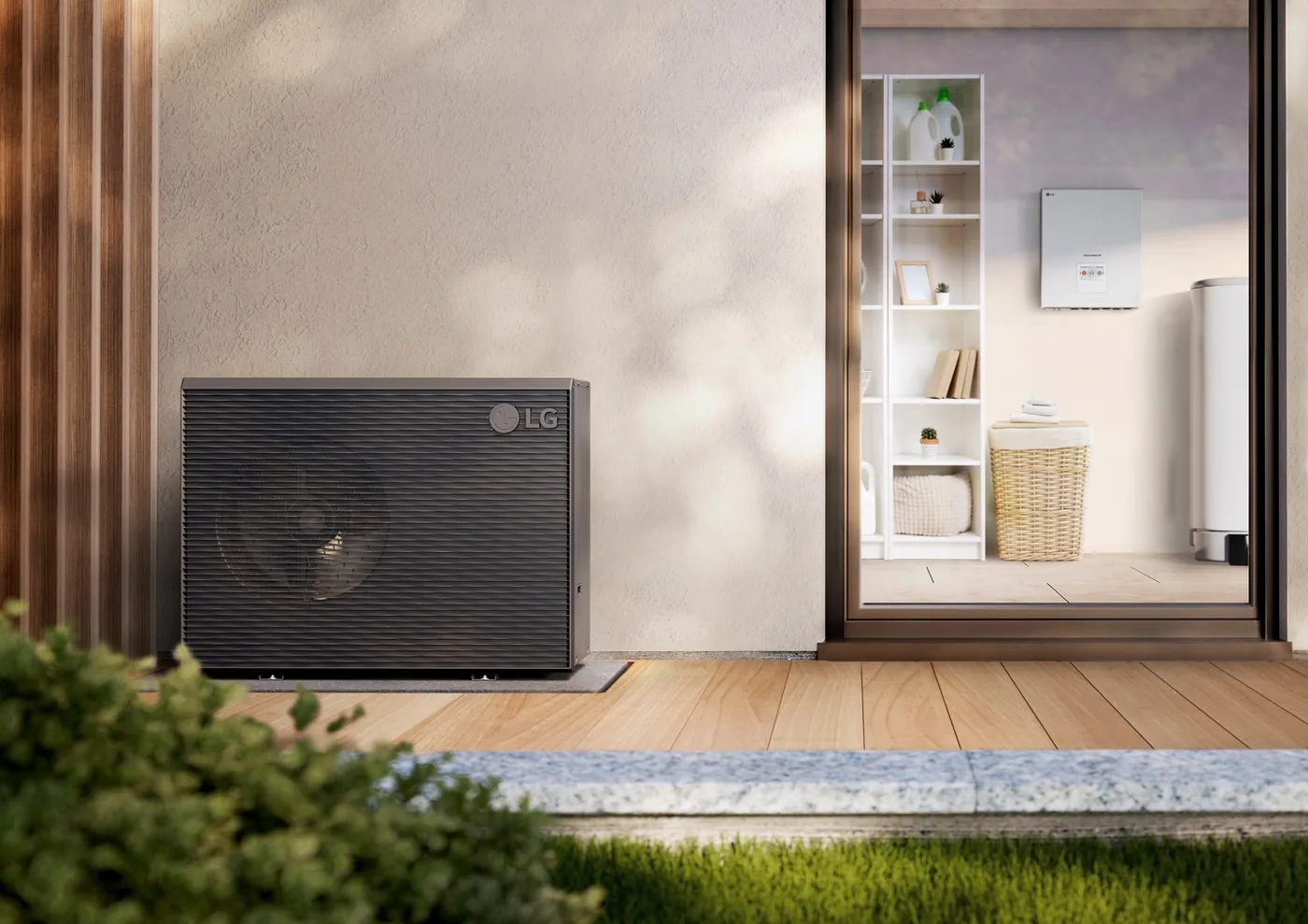
THE EVERYDAY ESSENTIAL
A suitable hot-water cylinder brings the heat pump into your daily routine. We look at household demand and the space available indoors.
Cylinder and indoor equipment depend on the system.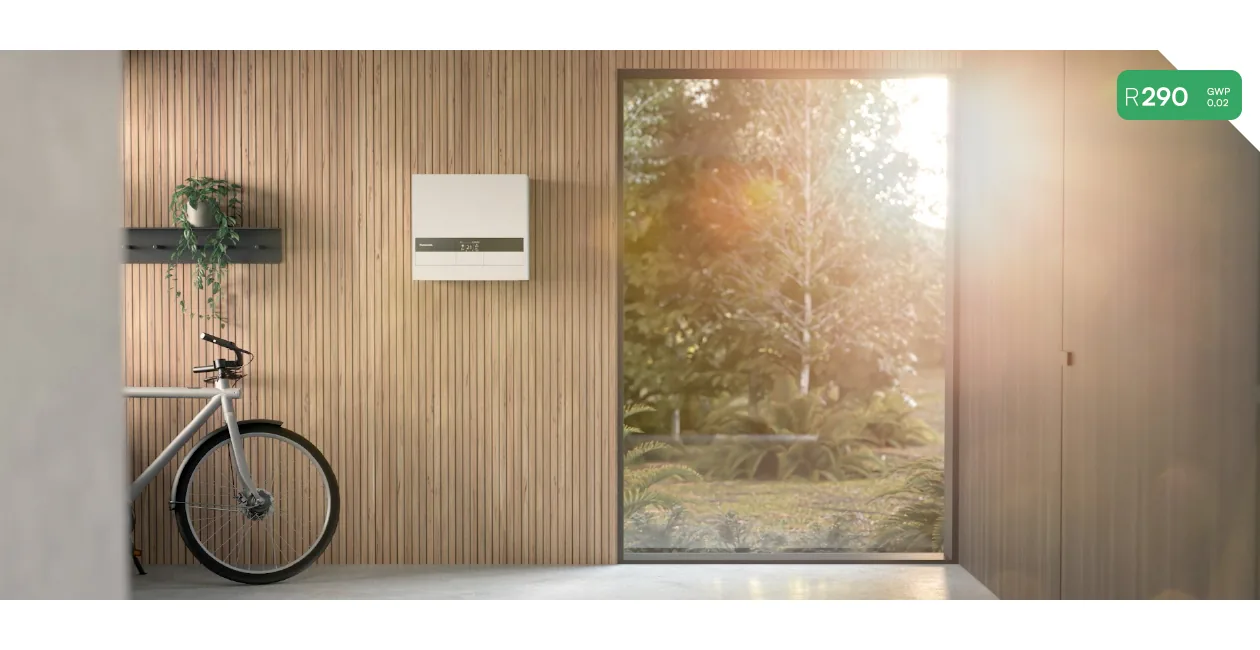
A MORE CONSIDERED ROUTINE
A clear handover helps you get to know schedules, temperature settings and compatible connected controls. Comfort should be easy to live with.
Connectivity and accessories vary by configuration.THE DETAILS, TO KEEP
Official manufacturer brochures, ready to download.

A MORE CONNECTED HOME
Your solar panels can supply part of the electricity your heat pump uses. We consider generation, heating demand and timing together, with a realistic view of the seasons.
Panasonic architectural illustration · System design depends on your property.WHY ABELARTI
We bring the building assessment, equipment choice and installation into one conversation. Your project has a named point of contact from the start.
Heating demand and installation constraints guide the recommendation.
A named Abelarti advisor follows your project through to handover.
Equipment, scope, warranty terms and planned work explained.
Commissioning guidance and after-sales support when you need it.
OUR PROCESS
Your current heating, heat demand, radiators and hot-water needs.
A considered equipment choice, detailed quotation and potential support.
Applications, permissions, unit placement and an agreed programme.
Boiler removal and the new system, coordinated by Abelarti.
Commissioning, controls explained and support after the handover.
HEATING UPGRADE SUPPORT
Replacing an eligible heating system may qualify for support through your canton’s Buildings Programme. The available measures, amounts and documentation depend on your property and the current programme conditions.
Explore support for my project
SERVICE AREAS
Based in Bussigny, Abelarti plans heating upgrades across Switzerland. We review local winter conditions, outdoor-unit placement and any noise or permit requirements for your address.
YOUR QUESTIONS, CONSIDERED
Useful answers before we look at your heating together.
Ask about your homeOften, yes. We check the building’s heat demand, radiator capacity and the water temperature needed on colder days. The assessment identifies whether any changes would improve comfort or efficiency.
Air-to-water heat pumps can operate in cold weather. We select the model and size for your local conditions, and assess its output, efficiency and any supplementary heating your home may need. An operating limit is not a guarantee of full heating capacity at that temperature.
Yes, with a suitable domestic hot-water system. We plan the cylinder, capacity and controls around your household. Space-heating water temperatures and stored domestic hot-water temperatures are different specifications.
The equipment, building requirements, outdoor-unit location, electrical work and changes to the heating circuit all affect the investment. Your quotation sets out the work and identifies any financial support to investigate.
We consider sound, neighbouring properties, airflow and service access when choosing the outdoor-unit location. Any noise assessment, notification or permit is handled according to the requirements for your address.
The programme depends on your existing heating system and the work required. We agree an installation schedule and explain planned interruptions to heating or hot water before work begins.
Yes. Solar generation can supply part of the heat pump’s electricity when production and demand coincide. Insulation can reduce the building’s heating demand. We can consider these measures together, including seasonal differences in solar production.
We commission the system, explain the controls and arrange follow-up support. The equipment warranty, installation cover and recommended maintenance are confirmed for your chosen system.
YOUR NEXT CHAPTER
Tell us about your building and current heating. We’ll explore the right heat pump, radiator compatibility and the support available for your project.
Free assessment. No obligation.A real person. A prompt reply.An Abelarti advisor will contact you within one working day.
Advice built around you.Your heating needs, the right system for your building and a clear plan for the installation.
A Swiss team, close to you.Based in Bussigny. Projects delivered throughout Switzerland.